
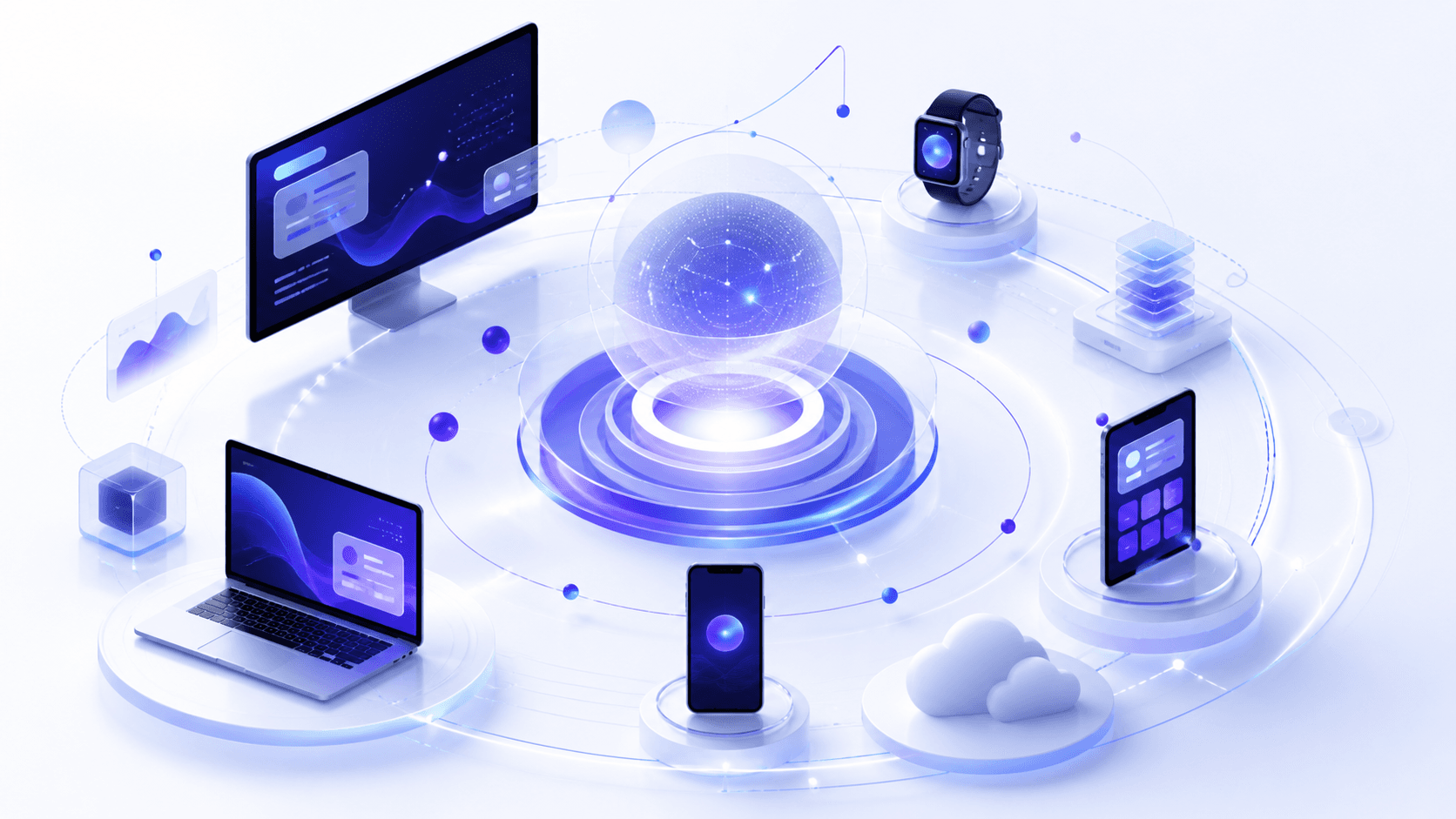
The Evolution of Digital Experience
Digital Experience (DX) is no longer just about pretty interfaces and faster load times. Today it’s a systems-level discipline that blends AI, data, interaction design, privacy, and platform engineering to create continuous, context-aware journeys. Users expect products that not only respond, but anticipate — across devices, channels, and modalities.
Core Forces Reshaping DX
- AI as Experience Fabric: Machine learning and language models are embedded across flows — from intelligent search and summarization to proactive task automation.
- Omni-Modal Interaction: Voice, chat, gestures, and 3D visuals become first-class inputs alongside traditional touch and click.
- Hyper-Personalization with Guardrails: Experiences adapt to users dynamically while respecting consent, explainability, and privacy preferences.
- Immersive Web & Micro-3D: Lightweight WebXR and 3D components enhance clarity for complex data and product demos without requiring heavy downloads.
- Composability & Headless Architecture: Modular frontends and API-first backends let teams iterate faster and deliver consistent DX across channels.
Design Principles for Future-Proof DX
Adopt these practical principles when planning your product roadmap:
- Predictable Personalization: Use signals responsibly — surface why a recommendation appeared and let users tune it.
- Progressive Enhancement: Start with a fast, accessible baseline and layer immersive features for capable devices.
- Performance as UX: Micro delays add up; measure and budget for perceptual performance (first input delay, interactive readiness).
- Privacy-by-Default: Make privacy choices discoverable and simple — this builds trust and long-term retention.
- Cross-discipline Collaboration: Treat DX as a product capability — combine design, data science, infra, and content strategy early.
Practical Roadmap: From Strategy to Launch
A pragmatic three-phase approach helps teams move from idea to measurable impact:
1. Discover (0–8 weeks)
- User research & journey mapping focused on intent, not just tasks.
- Audit data sources and privacy constraints; identify low-friction signals for personalization.
- Prototype conversational and micro-3D interactions for core flows.
2. Build (8–20 weeks)
- Implement a headless front-end with incremental feature toggles.
- Deploy lightweight ML models for ranking, summarization, or intent detection at the edge.
- Introduce adaptive UI components that respond to behavior and context.
3. Learn & Scale (Ongoing)
- Instrument cohorts and A/B tests around friction points and value signals.
- Iterate on personalization rules, explainability layers, and opt-in experiences.
- Scale infrastructure with observability and cost controls.
Measuring Success: KPIs That Matter
Move past vanity metrics. Focus on signals that reflect experience quality and business outcomes:
- Task Completion Rate: How often users finish their intended task across channels.
- Time-to-Value: Time until a user achieves a meaningful outcome (e.g., completed purchase, created report).
- Retention by Segment: Are personalized experiences improving repeat usage for target cohorts?
- Latency Perception: User-reported responsiveness plus technical metrics like TTFB and hydration time.
- Trust Signals: Consent opt-in rates, privacy dashboard usage, and support escalations related to personalization.
Common Pitfalls & How to Avoid Them
- Over-automation: Don’t replace human control—offer undo, edit, and explanations for automated decisions.
- Data Sprawl: Centralize governance; minimize copies of PII and apply schema versioning.
- Feature Bloat: Prioritize experience clarity — surface fewer, clearer choices rather than many options.
Interface Example
Our Luma Ledger product demonstration shows how a calm hierarchy, responsive layouts, and clearly labelled fictional data can support a focused weekly money review.
Getting Started — A Checklist
- Map 3 primary user intents for your product and design one tailored flow per intent.
- Implement one AI-assisted feature (search, summarization, or recommendation) behind a toggle.
- Deliver a privacy-first preferences center and communicate what personalization does.
- Measure task completion and time-to-value before and after launch.
Conclusion
The future of DX is not a single technology — it’s the coordinated use of AI, personalization, immersive interfaces, and strong governance to create experiences that feel crafted for the user. Teams that treat DX as a measurable capability — not an afterthought — will win on trust, retention, and long-term value.
Need help modernizing your product experience? Visit our UI/UX Design services to see how we can help you build adaptive, trust-centered digital experiences.